Sustainability is now a top priority in hospitality, with travelers increasingly seeking eco-friendly accommodations. Hotel owners are embracing sustainable design not just to meet consumer demand but also to cut costs and boost efficiency. Understanding key sustainable architecture features is vital for staying competitive, enhancing guest satisfaction, and ensuring long-term savings. This article highlights the top 5 benefits, implementation strategies, and potential risks of neglecting sustainability in hotel design.
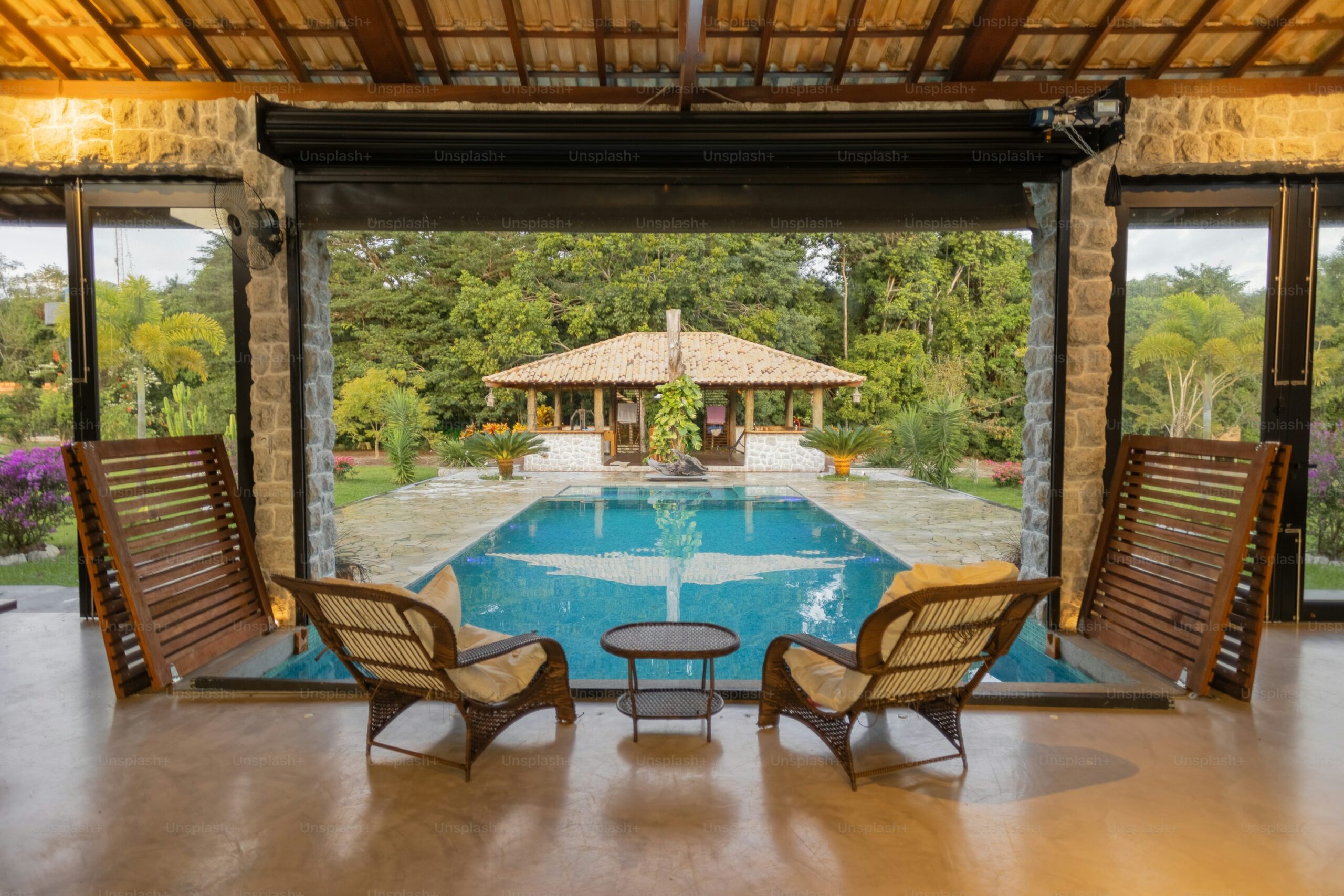
Incorporating sustainable architecture in hotels is no longer a trend but a necessity. Eco-conscious travelers now prioritize environmentally friendly stays. Sustainable design reduces environmental impact, cuts costs, enhances guest satisfaction, and strengthens brand reputation.
1. Eco-Conscious Traveler Demands
Hotels with sustainable features such as energy-efficient systems, water-saving solutions, and waste reduction strategies appeal to environmentally conscious travelers. This is particularly true for millennials and Gen Z, who are more likely to choose brands with strong sustainability credentials.
2. Long-Term Financial Benefits
Sustainable hotel design is often associated with high upfront costs, but in reality, it offers substantial long-term savings. Features like energy-efficient lighting, water-saving fixtures, sustainable roof systems, eco friendly walls and renewable energy sources can drastically reduce operating costs. The long-term financial benefits often outweigh the initial investments, making sustainable architecture a smart choice for hotel owners looking to minimize expenses.
3. Brand Differentiation
As the hotel industry becomes increasingly competitive, adopting sustainable architecture helps differentiate a property from others. Hotels with eco-friendly designs are more likely to stand out in the marketplace, attracting a growing number of eco-conscious travelers and garnering positive press for their commitment to sustainability. Most of the travelers living in high rise apartments due to space constrain in the growing cities prefer more eco and conservative vacations designs.
4. Regulatory Compliance
Many countries are introducing regulations aimed at reducing energy consumption and waste. Hotels that implement sustainable design practices will be better positioned to comply with these regulations, avoiding penalties and staying ahead of regulatory changes in the future.
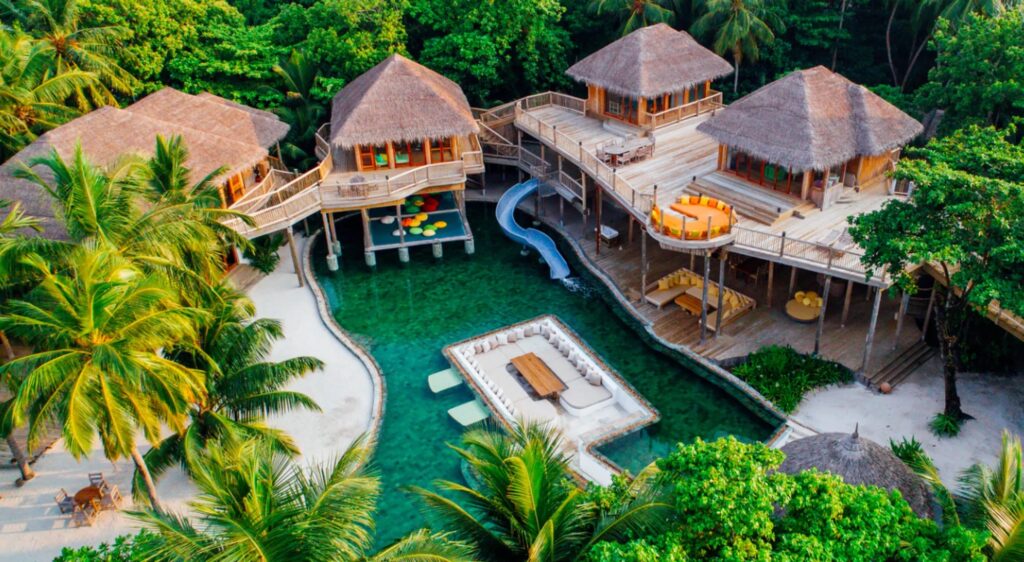
How to Implement Sustainable Hotel Architecture Features?
Implementing sustainable architecture features requires thoughtful planning and a willingness to invest in long-term gains. Here are several steps that landowners and hotel owners can take to incorporate sustainable design into their properties:
1. Energy-Efficient Design
Start by optimizing the building envelope—insulation, high-performance windows, eco friendly construction and energy-efficient HVAC systems. These features help maintain consistent indoor temperatures, reducing the need for excessive heating and cooling. Consider integrating solar panels to generate clean energy, reducing reliance on the grid and lowering electricity costs.
2. Water Conservation
Install water-efficient fixtures such as low-flow toilets, faucets, and showerheads. Additionally, consider incorporating rainwater harvesting systems that collect and store rainwater for non-potable uses like irrigation or cleaning. These features reduce water consumption and can significantly lower utility costs.
3. Smart Technology Integration
Incorporate smart technologies such as energy-efficient lighting, smart thermostats, and automation systems. These systems optimize energy use by adjusting lighting and climate settings based on room occupancy and time of day, helping to conserve energy and reduce costs.
4. Sustainable Materials
Choose environmentally friendly building materials, such as reclaimed wood, bamboo, and recycled metals. These materials not only reduce the environmental impact of construction but also contribute to a hotel’s aesthetic appeal. Sustainable finishes and non-toxic paints improve indoor air quality, creating a healthier environment for guests and staff.
5. Green Landscaping
Incorporate green roofs, vertical gardens, or landscaping that uses native plants to reduce water and maintenance requirements. These features not only contribute to the hotel’s overall sustainability but also create a beautiful and relaxing environment for guests to enjoy.
Understanding the importance of sustainable hotel architecture is critical for hotel owners who want to reduce costs, attract eco-conscious guests, and improve their long-term profitability. One of the most recent example is the Bangalore International Airport Terminal 2 that created a huge buss in the Media and News for its amazing design and eco friendly sustainable systems. Similarly By implementing energy-efficient systems, water-saving solutions, and green building practices, hotel owners can not only contribute positively to the environment but also enjoy significant financial and reputational benefits. Failing to adopt sustainable practices could result in higher operational costs, missed market opportunities, and a negative brand image. As the hospitality industry continues to evolve, embracing sustainability is not just a trend—it’s a necessity for success.
Now, If you are also Landowner or Vacation Home owner and want to understand how you can implement these strategies in to your property in a most effective way, Then click on the button below and book a 60 - minute Free Strategy consultation call to get Strategy Action plan for your Business.
Also to understand how this can help you better and the 3 Secretes on How to transform Empty Spaces into Exceptional Experiences, You can watch this 20 min Video
